
Destination Management Action Plans
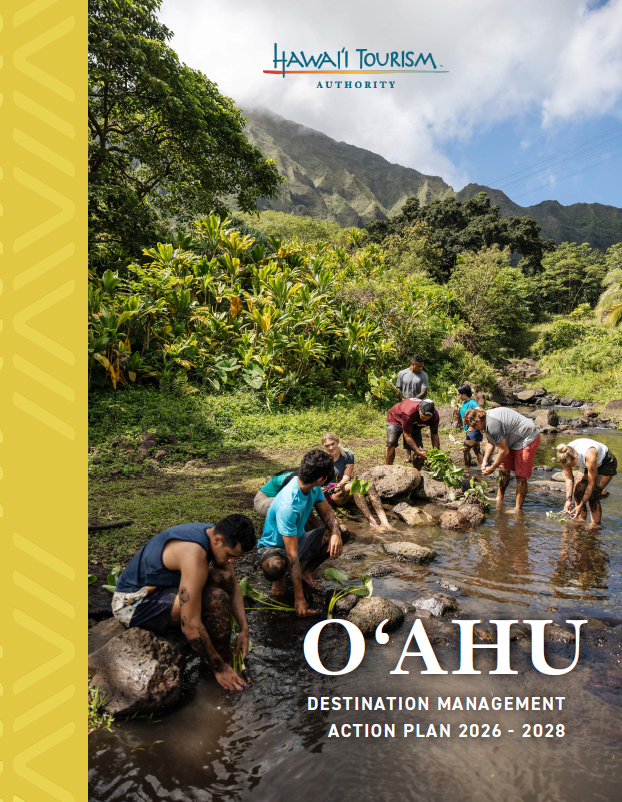
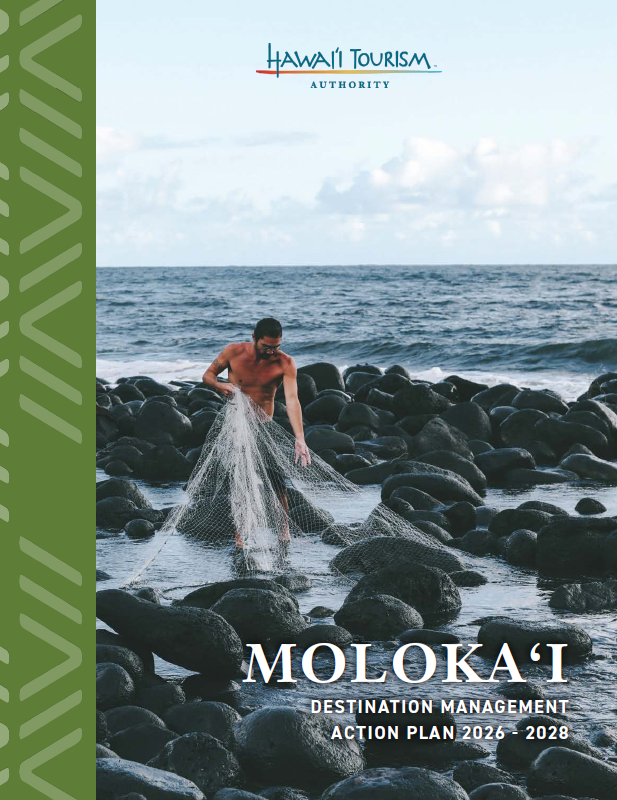
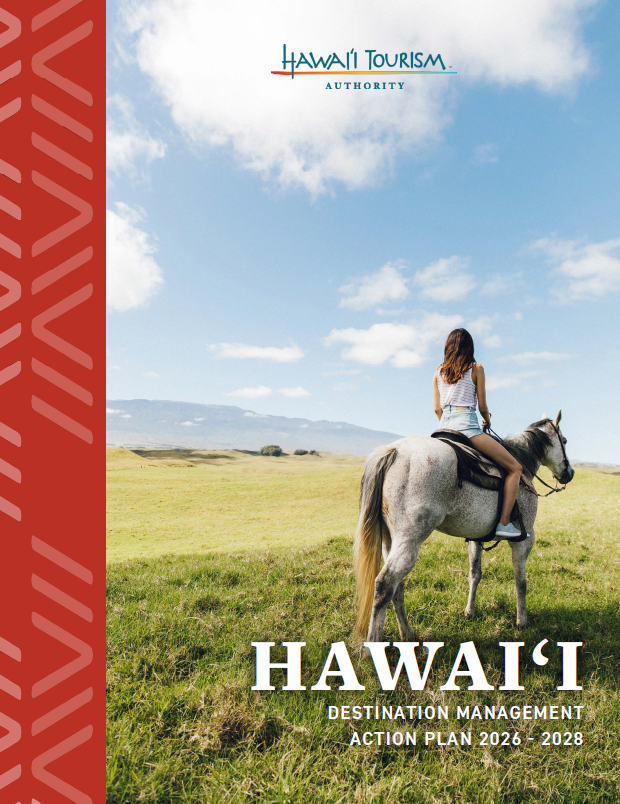
Destination Management Action Plans 2026-2028
The Hawaiʻi Tourism Authority (HTA), through the Hawaiʻi Revised Statutes, Chapter 201b-6.4, creates Destination Management Action Plans (DMAPs) to protect natural and cultural resources valued by Hawai‘i residents and visitors alike, improve visitor experiences and resident sentiment, and prevent overcrowding and overtaxing at sites across the state.
These DMAPs, covering 2026 to 2028, focus on hotspots—priority sites under strain identified by residents on each island—to undertake collaborative and coordinated action together with state and county agencies, community groups, and visitor industry stakeholders over the next three years. Each DMAP is powered by sequential and measurable action steps informed by community input at every step of the process.
Our goal with the DMAPs is to continue improving resident sentiment and maintaining Hawai‘i’s high visitor satisfaction through site-specific collaborative action and progress in destination management activities that touch on each island’s higher-level priorities.



Improving Resident Sentiment
Over the lifespan of the initial DMAPs, resident sentiment grew 7 percentage points from a baseline of 49% of Hawaiʻi residents agreeing that “Tourism has brought more benefits than problems” in Fall 2021 to 56% in Spring 2024.
In 2020, the Hawai‘i Tourism Authority (HTA), in partnership with the counties and island visitor bureaus, launched the first set of Destination Management Action Plans (DMAPs) for Kaua‘i, Maui Nui (encompassing the islands of Maui, Moloka‘i, and Lāna‘i), O‘ahu, and Hawai‘i Island. Developed as part of the state’s pandemic recovery strategy, the DMAPs also reflected a growing recognition of the need for a regenerative tourism model: one that gives back more than it takes. These plans aimed to realign tourism with community values while addressing long-standing concerns about its impact on residents, resources, and infrastructure.
Guided by HTA’s 2020–2025 Strategic Plan, the DMAPs emphasized destination management by promoting responsible visitor behavior, alleviating overcrowding at popular sites, and strengthening partnerships to protect Hawai‘i’s natural and cultural assets. Each island’s plan was developed through a collaborative process led by a Steering Committee and shaped by input from residents, businesses, government agencies, and community organizations.
Residents aware of Destination Stewardship initiatives from the DMAPs were significantly more apt to feel that such efforts are working.
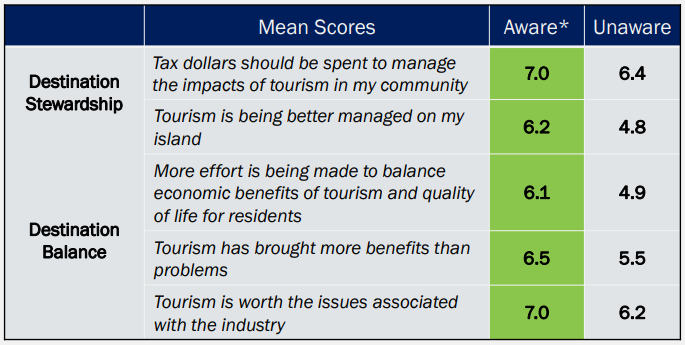
HTA Resident Sentiment Survey Spring 2024
The goals of the initial DMAPs were to:
- Rebuild, redefine, and reset the direction of tourism over a three-year period through collaborative engagement
- Involve the visitor industry, local communities, public agencies, and other key sectors
- Identify priority areas requiring proactive management to address tourism-related challenges
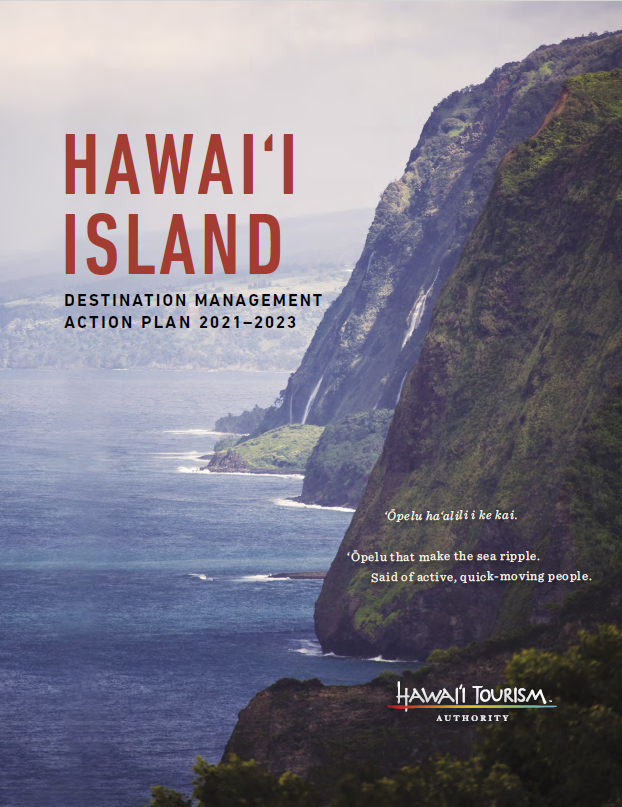
Read the 2021-2023 DMAPs:
The Maui Nui DMAP 2021-2023 contains sections for Maui, Molokaʻi and Lānaʻi.